
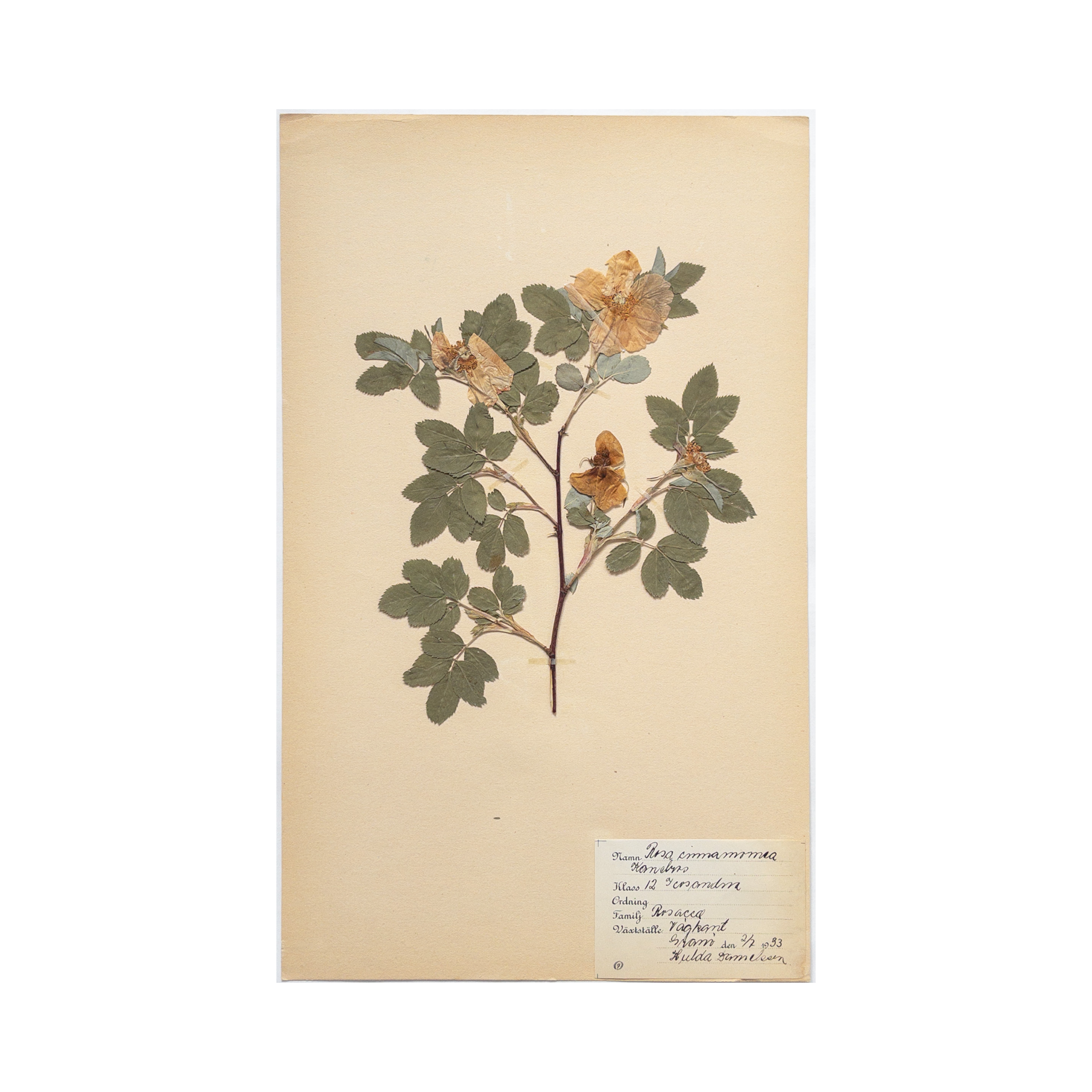
The Cinnamon Rose, circa 1933, is a bloom that seems to carry the memory of an entire summer in its petals. Warm, muted cinnamon tones ripple through delicate layers, a color both familiar and entirely surprising, like an old photograph kissed by sunlight. It was the sort of rose that grew slowly, carefully, in gardens tended with patience, a rose meant to be noticed but never hurried. Pressed and preserved, it becomes more than a flower, it is a keepsake of another era, a whisper of nostalgia, and a gentle reminder that beauty, like memory, only deepens with time. Whether admired on its own or nestled among companions in a bouquet, the Cinnamon Rose holds a quiet, enduring grace.

The year the Wright brothers first left the ground at Kitty Hawk, someone quietly pressed this blossom between sheets of paper. While the world discovered flight, a garden in full bloom was being preserved in silence. The petals, now paper-thin and timeworn, still suggest evenings when lamplight fell through lace curtains and the air was heavy with summer fragrance. Pressed without ceremony, not knowing it would outlast the garden, the house, even the hand that placed it there. What you hold is not just a flower, but a century-old whisper of a season that refused to be forgotten.

In a quiet wetland, somewhere where reeds sway and the air is thick with summer moisture, this Purple Loostrife was collected to be studied, learned, and understood. Its tall, spiked blooms showcasing vivid purple, almost defiant against the soft green of marsh grasses, speak of persistence and natural beauty. Collected with care and preserved with intention, it carries the poetry of a moment in nature, a memory folded into tenacious, fragile petals that have endured beyond the season in which they first bloomed.

Collected in a quiet garden long ago, this Scabiosa carries the subtle charm of a time in summer from an older world. Its petals, delicate yet enduring, ripple in shades of pink and soft lavender, recalling afternoons when sunlight lingered over garden paths and the air was heavy with the scent of blooms. Pressed carefully, preserved with intention, it is both a botanical specimen and a tiny fragment of memory, a gentle reminder that beauty, once noticed, endures far longer than the season in which it first appeared.

Not the hothouse rose of Paris, nor the florist’s polished bouquet. This one grew wild in Finland, 1957. Cinnamon Rose, unperfumed but stubbornly alive. Pressed flat against the page, it gave up its fragrance but kept its shape, its spine, its story. The sort of flower that endured Arctic winds, long twilights, and the occasional midsummer kiss by a lake. Preserved here, exactly as it was, unruly, authentic, impossible to imitate.

The sort of flower that appears, uninvited, at the edge of a garden wall. A perennial vagabond, violet-blue petals veined as if by a draftsman’s impossibly fine nib. In Edwardian summers it grew where it pleased, under orchard ladders, by rain barrels, along stone paths worn smooth by boots. Bees adored it then, as they do now, lingering, humming, intoxicated by its quiet generosity before flying off to more flamboyant blooms. Hardy, self-assured, quietly enduring. The sort of bloom that knew how to last through war, peace, tea at four, and the occasional scandal.

A thistle that rides into a garden like a lone cavalryman… bristling, uncompromising, and absurdly elegant. Its purplish crown sits atop a lance of stem, armored, ribbed, trimmed with the kind of spines that make polite hands think twice. Not a flower for teacups or finicky vases, but for honest, wind-scoured places where it can stand guard. Bees and bold birds pay their respects; children pull their knees away and poets make notes. Wild, a little dangerous, and entirely memorable… Bridle Brush Thistle, the kind of plant that turns a hedgerow into a story.
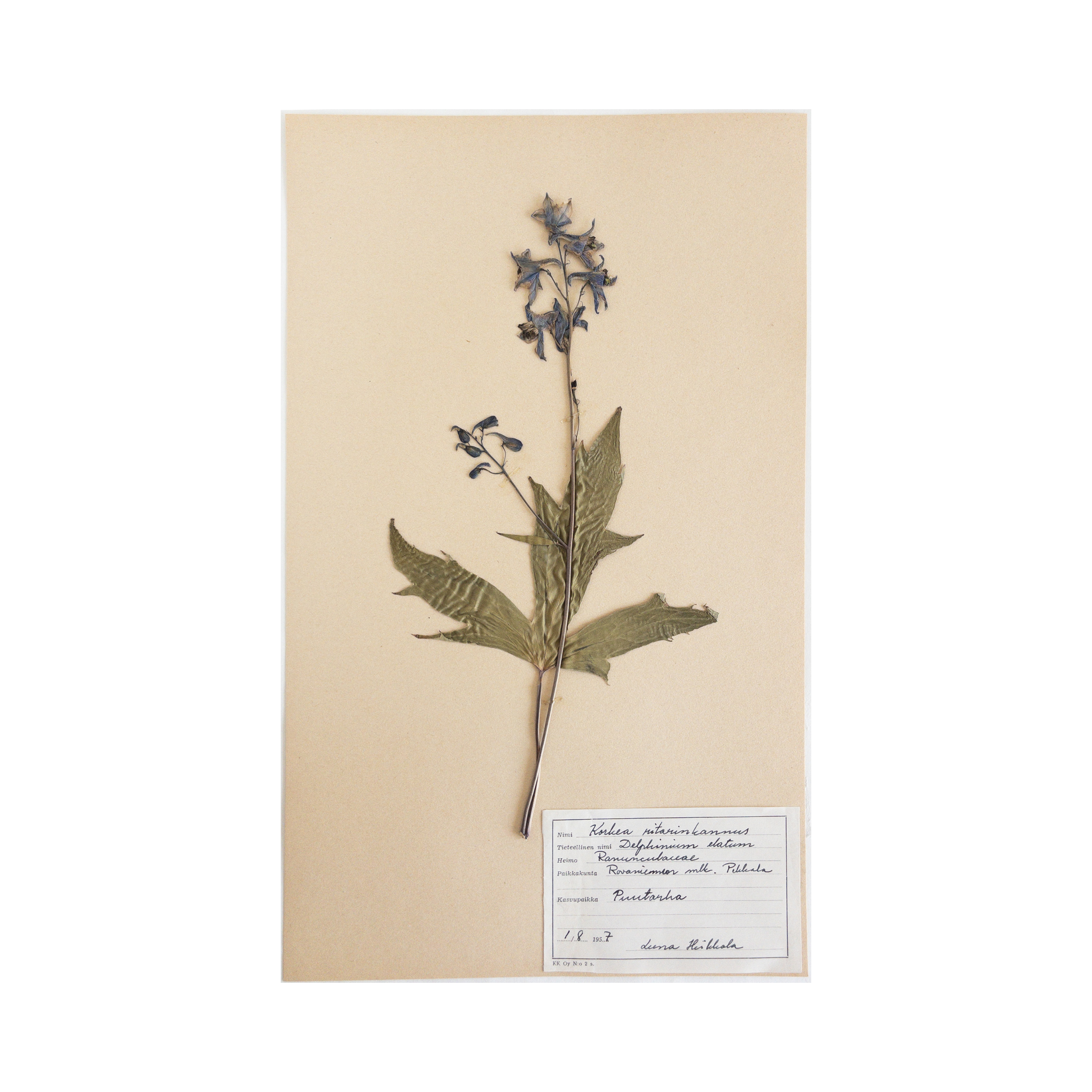
The Vintage Blue Delphinium is the kind of bloom you notice first in the quiet corner of a garden, an impossible, cool blue that never tries to impress, yet always does.
It isn’t the bold blue of summer parades or the loud blue of seaside postcards, but something softer, older, as if borrowed from a more patient century. Its tall, elegant stalk carries petals like layered silk ruffles, each one holding the hush of early morning sky before the day remembers to hurry. Wherever you place it… on a table, in a room, at the start of a moment, it brings a sense of calm composition, a small opening into a gentler sort of day.
A Vintage Blue Delphinium doesn’t compete for attention; it simply offers beauty that never needs to raise its voice.
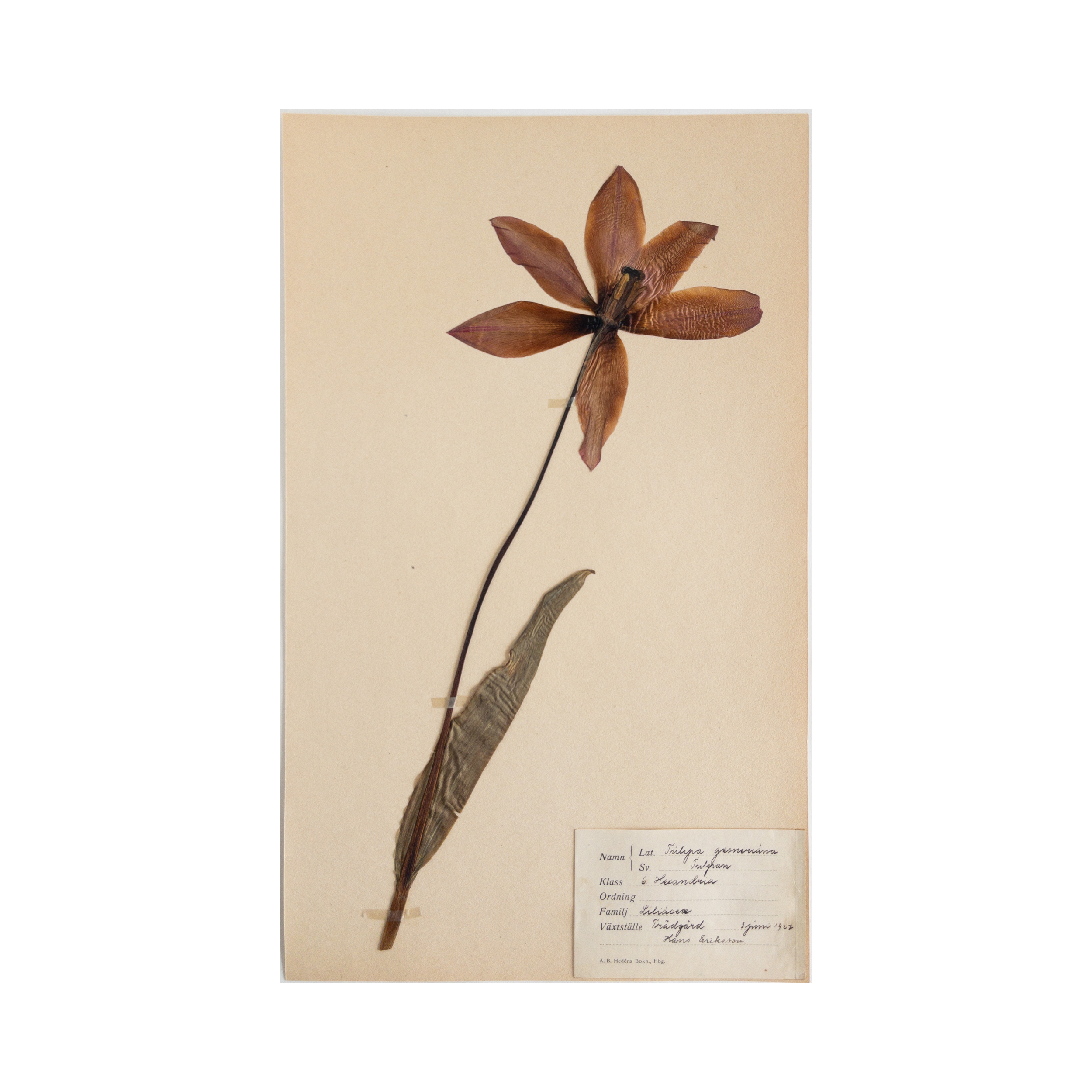
The Spring Tulip arrives the way early morning light does, quietly, then all at once, with a kind of soft confidence that doesn’t ask permission to brighten the room. Its smooth, sculpted petals hold color the way watercolor paper holds a first wash: tender pinks, fresh yellows, crisp whites, and every hopeful shade in between. A tulip never pretends to be complicated; its beauty is in its simplicity, in the gentle curve of its stem, in the way it leans ever so slightly toward whatever warmth it can find. It is the unofficial herald of the season, the one flower that reminds you the world is waking up again. And whether it stands alone in a narrow vase or gathers with its own kind in a joyful bouquet, the Spring Tulip brings a sense of possibility to any room it enters.

Found in cottage gardens and countryside fields, this graceful bloom reminds us of simpler times. Its delicate, bell-shaped flowers seem to say, "Take a moment. Breathe in the season." A favorite in both herbal lore and botanical art, the cowslip carries a quiet nobility, evoking the sweetness of youth and the fleeting nature of each spring.
Imagine the stories this pressed flower could tell - 84 years of elegance now awaiting to adorn your walls and join your herbarium collection. The cowslip will wait patiently, as always, until you’re ready to discover its beauty.
Currently Unframed 9.5” x 15.75”

Pressed into silence but not into submission. Each petal still whispers of the meadow where it was first plucked. Ranunculus, the humble buttercup in all its variations, gathered by a patient hand and fixed beneath glass as though time itself might be persuaded to linger.
The collection dates from an era when people believed botany was not only a science but a form of romance. Lovers exchanged pressed flowers the way others traded words. Each specimen here tells its story without a syllable, preserving the sudden blush of yellow, the improbable persistence of green.
Not merely a record. A reminder. That beauty may be fleeting, but it can also be kept.
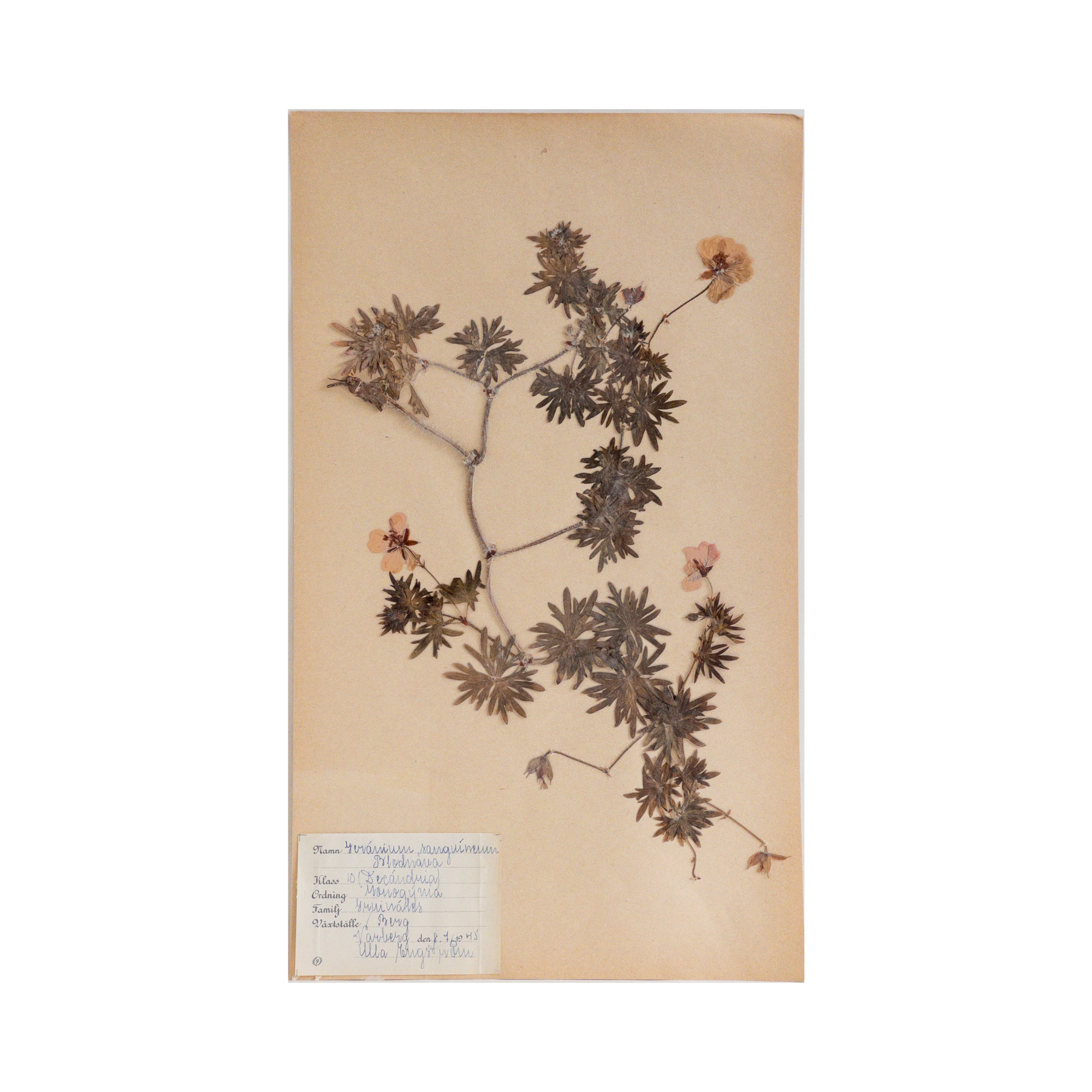
Geranium Sanguineum, a name that whispers of old-world botanists and untamed elegance. In spring and summer, it unfurls its delicate yet determined blooms, each one a beacon for passing bees who know a good thing when they see it.
Hardy. Resilient. A flower with an old soul and a wild heart. Not for the faint of spirit, but for those who appreciate beauty that lingers in the memory long after the petals have fallen.
Enjoy it as a piece of art or better yet, plant it and let it tell its own story.

Beneath the wide blue sky of early spring, when the world is just beginning to stretch and yawn, the allium arises—a delicate dainty dancer with whisper-soft blooms that catch the light in the most understated way. Gracefully poised on slender stems, its soft pink orbs open to reveal a quiet beauty that seems to bloom for the bees, butterflies and those who pause long enough to notice.
Perhaps it’s the quiet charm that makes it perfect for those who appreciate the natural beauty of life’s smaller details, or perhaps it’s the way this specimens soft pink hue evokes memories of a bygone spring—full of promise and untold stories since 1945.
Pleasantly preserved in a custom gold gilt frame and cream mat.
13" x 19" x 1 1/4"

Not every flower needs a grand entrance. Some simply arrive, glowing softly in the morning light, as if they’ve always belonged. Cowslip Primrose—is one of those. A quiet kind of beautiful, like an old song you hum without knowing where you first heard it.
Clusters of golden, bell-shaped blooms nod gently on slender stems, as if exchanging secrets with the breeze. Their fragrance—sweet, honeyed, just enough to make you stop and breathe it in—was once the prize of poets and apothecaries alike. A healer’s companion. A meadow’s hidden treasure.
She thrives in fields where the grass bends easily, in gardens where the wild things still have their say. Not flashy, not demanding—just steadfast, timeless, golden.
The kind of flower that feels like home.

You’re walking through a sun-drenched meadow, the kind that hums with the quiet energy of things growing exactly where they belong. And there, scattered like tiny green parasols unfurled for an afternoon fête, is Euphorbia helioscopia—Sun Spurge.
A rosette of delicate, spoon-shaped leaves, topped with chartreuse-green flowers that glow like captured sunlight. No fragrance, no frills—just quiet confidence. Like a traveler who always knows exactly where the best light falls, Euphorbia helioscopia follows the sun, turning its face throughout the day in a slow, graceful arc.
The old herbalists had their suspicions about it—was it a remedy? A trickster? A little of both? Its milky sap, potent and untrustworthy, whispers a warning: admire, but don’t get too close. A beauty best appreciated from a respectful distance.
And really, isn’t that the most intriguing kind?

Some flowers shout, this one whispers.
Tucked beneath its own rich green foliage, Lily of the Valley appears quietly in late spring, sending up slender stalks of delicate white bells perfectly formed, gently nodding, and impossibly fragrant.
The scent is fresh, green, and lightly sweet, so pure that French perfumers gave up trying to improve upon it. They still haven’t because… they can’t.
Native to cool woodlands and shaded gardens, Lily of the Valley blooms only briefly in May, but like certain kinds of beauty, it doesn’t need a long season to make itself unforgettable.
A single sprig is often enough, but a full bouquet of these delicate, scented bells is nothing short of magnificent. Enduring. Elusive. Unmistakable.

Delicate, fragrant, and effortlessly nostalgic, the sweet pea is more than just a flower—it’s a memory wrapped in petals. It’s the scent of warm afternoons on your grandmother’s porch, the sweetness of lemonade, and the quiet joy of planting your first seeds. With soft pastel hues reminiscent of a well-loved garden, it serves as a gentle reminder that beauty is often found in the simplest things.
Graced in a gold gilt custom frame and showcased on a cream mat, this timeless herbarium specimen captures the charm and sentiment of a flower that has brought abundance and joy for generations.
13” x 19” x 1 1/4”

Beloved by bees and butterflies, Scabiosa enchants with its soft, cushion-like blooms and intricate petal details. Thriving in sunny gardens, borders, and wildflower meadows, this pollinator-friendly flower adds natural beauty wherever it grows. Whether gathered fresh for a bouquet or preserved and elegantly displayed such as this, Scabiosa offers a timeless charm to be enjoyed for years to come.
Offered in a custom gold gilt frame with a classic cream mat.
13” x 19” x 1 1/4”

You’ve seen it before—perhaps on a country road where the fences lean with time, or in a meadow where the wind moves in whispered conversations. Daucus Carota wild carrot, Queen Anne’s Lace. A name fit for royalty, yet belonging to something wonderfully untamed. Its flowers, delicate clusters like lacework woven by unseen hands, rise on slender green stems, graceful but never fragile. You could pluck it, gather it, press its blooms between the pages of a book you’ll someday open again, remembering the moment you first noticed something so simple… and so perfect. Nature’s lace, unhemmed and free.

Not all flowers are content with the prim-and-proper life of a well-manicured garden. Some prefer the wild places—where the air hums with dragonflies, where the earth is damp and rich with secrets. Comarum palustre, the so-called Purple Marshlocks, is one of those flowers. Deep burgundy petals, almost velvety, curl around a star of golden stamens—like a forgotten jewel lost in the marshes. It grows where others dare not, its roots tangled in the mud, thriving in the misty hush of bogs and slow-moving waters. Some might call it stubborn. It prefers resilient. Long ago, the wise ones knew its worth. A healer’s touch, a secret ingredient in potions meant to soothe, to strengthen. Today, it stands untouched, waiting for someone with the right kind of curiosity. The kind of person who doesn’t mind getting their boots a little dirty in the pursuit of something rare.Wild. Mysterious. A flower for those who know that the best things in life are never found on paved roads.
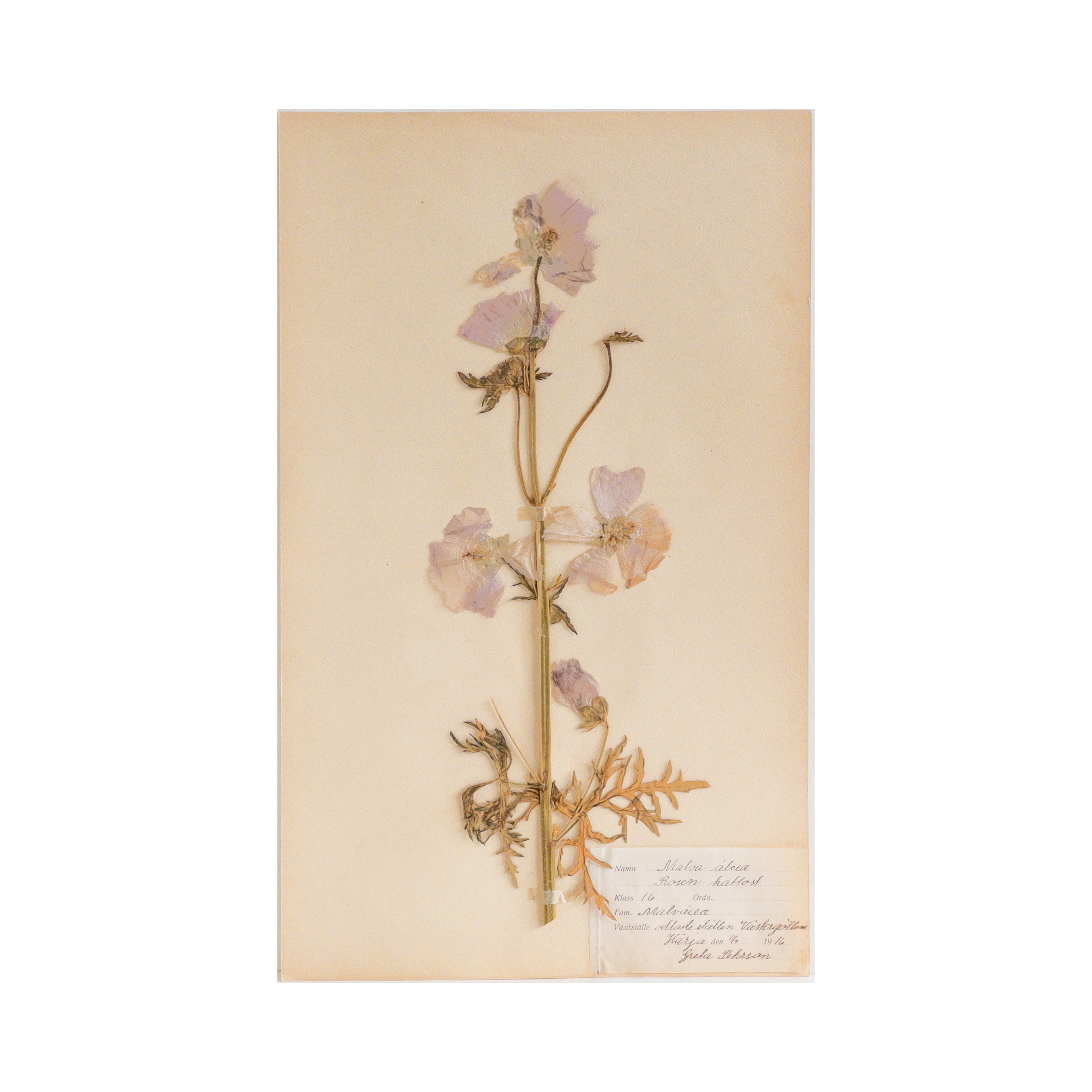
She stands there, tall and unbothered, catching the golden hour light as if she’s been waiting for it all day.
Rose Mallow—soft as a sigh, bold as a sunset. Her blooms, delicate yet impossible to ignore, unfurl in shades of blush pink. A center that whispers a secret, where hummingbirds pause mid-flight and bees lose themselves in a pollen-dusted trance. Her leaves, a touch wild, hint at her marshland roots—proof that grace and grit can coexist.
She doesn’t mind wet feet, doesn’t mind the heat, doesn’t mind if the world forgets her for a season. Because she’ll be back, just when you think summer’s glow is fading, offering one last, breathtaking flourish before the air turns crisp.
A little untamed. A little dramatic. But then again, the best ones always are.

At first glance, you might mistake it for just another wild thing—unassuming, scattered along the edges of fields and forgotten paths. But Euphorbia Helioscopia, Sun Spurge, has a way of catching the light just right, its chartreuse bracts glowing like molten gold against a sea of green. A trickster’s plant, charming but not to be trifled with.
Its stems rise with quiet confidence, each topped with a swirling crown of petal-like bracts that seem to tilt toward the sun, as if in whispered conversation. A closer look, and you’ll notice the milky sap, a telltale sign of its cunning nature—beautiful, yes, but best admired from a safe distance. The kind of thing an old-world herbalist might have known how to handle, though you wouldn’t want to get it on your hands.
It thrives in unexpected places—among ruins, at the edges of plowed fields, anywhere it isn’t supposed to be. A wanderer. A survivor. The kind of plant that reminds you that not everything golden is meant to be touched.
A little wild. A little dangerous. And exactly where it wants to be.

It doesn’t wait politely for an invitation. Epilobium angustifolium - Fireweed—arrives in the wake of ruin, rising from scorched earth and forgotten places like a phoenix dressed in silk. Where others see destruction, it sees opportunity. Where others fade, it flourishes.
Tall, slender stems crowned with magenta blooms stand against the wind, defiant yet graceful. Each petal, delicate as a sigh, sways in the summer air, a fleeting beauty against the backdrop of resilience. The bees know it well. The foragers, too—its leaves once brewed into teas, its young shoots a quiet gift from the wild.
It moves where it pleases—along riverbanks, through alpine meadows, in the blackened remains of forests once lost to flame. A signal that life goes on, that beauty does not wait for perfect conditions. It simply takes root and rises.
A survivor. A messenger. A reminder that sometimes, the most breathtaking things are born from ashes.

She twirls in the breeze, golden skirts swirling, untouched by time or trend. Trollius europaeus—the Globe Flower—is not one for half-measures. She stands tall in mountain meadows and river’s edge clearings, her bright yellow blooms cupped like tiny lanterns, as if holding the last light of a summer’s evening.
Petals layered in a perfect sphere, each one folding over the next in quiet elegance. Her beauty is of the kind that has existed long before gardens were tamed, back when wildflowers ruled the fields and the wind was their only gardener.
She thrives where the air is crisp and the soil is damp, in places where fairy tales might still be true. And when the sun sets low, she glows—soft, golden, untamed.
A dance partner for the breeze. A bright note in the green hush of wild places. A flower that moves to its own rhythm.


Unframed Vintage Swedish Herbarium with original handwritten label.
9.5” x 15.75”
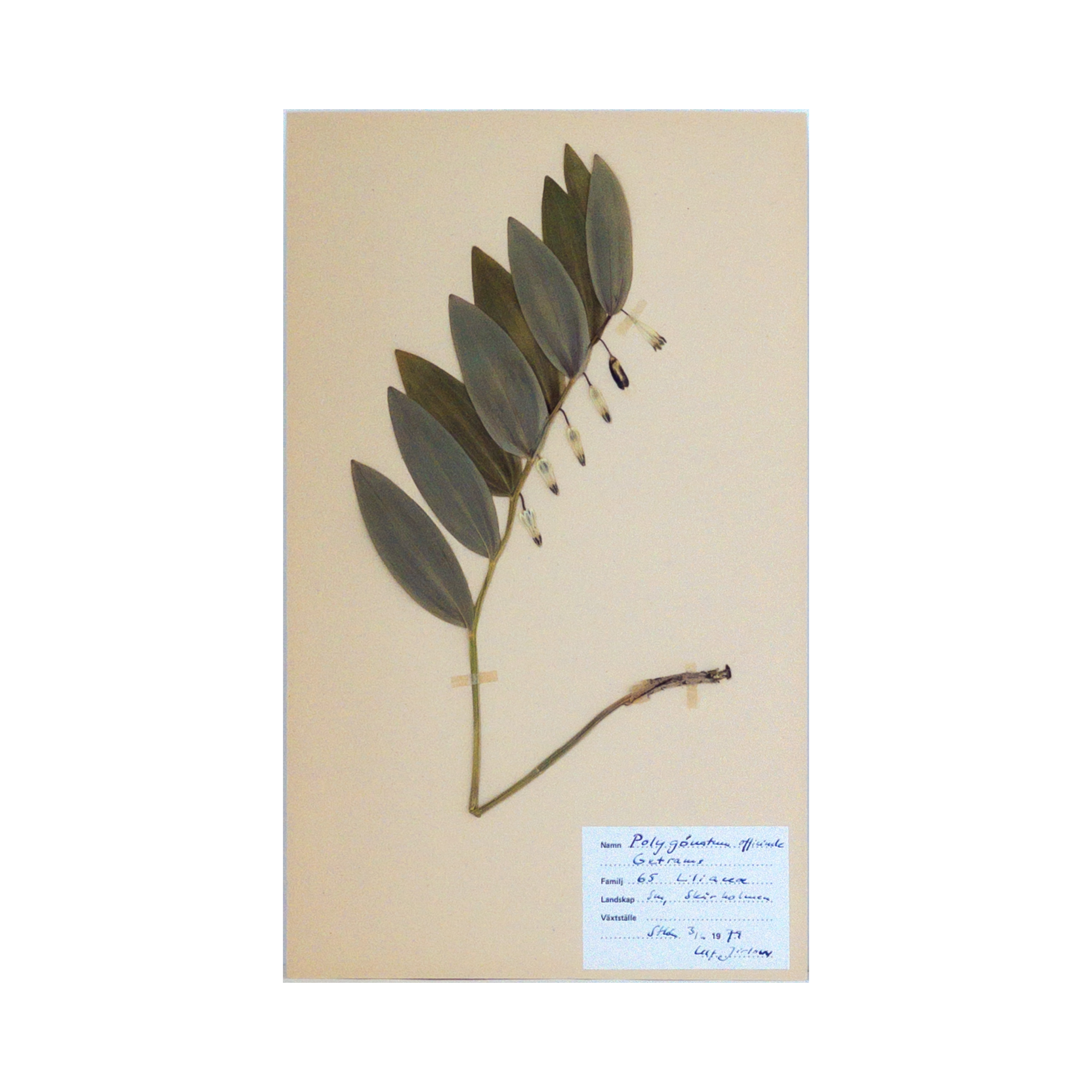

The Field Pea is an unassuming thing at first glance, the sort of plant you might overlook if you weren’t paying attention. Slender vines, modest blossoms, a quiet green that blends easily into the landscape. But linger a moment longer and its charm reveals itself, the gentle curl of its tendrils, the soft flowers nodding in the breeze, the honest beauty of something grown for sustenance before ornament. It belongs to working fields and well-worn hands, to seasons measured by effort and reward. A reminder that some of the most enduring beauty comes from usefulness, patience, and the steady rhythm of the land itself.